Water damage is not always easy to spot. A major flood or burst pipe is usually obvious, but slow leaks can remain hidden behind walls, beneath flooring or inside ceilings for weeks or even months.
By the time visible damage appears, moisture may already have affected drywall, insulation, wood, flooring and nearby belongings. Recognizing the early warning signs can help you address the source sooner and reduce the risk of mold growth, structural deterioration and more expensive repairs.
Here are 10 common signs that your home may have hidden water damage.
1. Musty or damp odours
A persistent musty smell is one of the most common signs of hidden moisture. The odour may be strongest in basements, bathrooms, laundry rooms, closets or areas near plumbing fixtures.
Even when no water is visible, moisture may be trapped behind drywall, beneath flooring or inside cabinets. Damp materials and limited ventilation can create an environment where mold and bacteria begin to grow.
Air fresheners may temporarily cover the smell, but they will not address the underlying source. If the odour continues after cleaning and ventilation, the area should be inspected for hidden moisture.
2. Stains on walls or ceilings
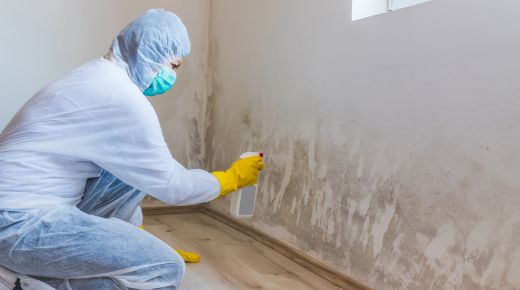
Yellow, brown or dark patches on walls and ceilings often indicate that water has travelled through the material.
A ceiling stain may be caused by a roof leak, an upstairs bathroom, a plumbing line or condensation inside the ceiling cavity. Wall stains may point to leaking pipes, exterior water intrusion or moisture entering around a window.
The visible stain may not be directly below the original source. Water can travel along framing, pipes and other building materials before appearing elsewhere.
Painting over the stain may improve its appearance temporarily, but the discolouration can return if the leak and trapped moisture are not resolved.
3. Peeling, bubbling or cracking paint
Paint and wallpaper can lose adhesion when moisture enters the wall behind them. You may notice bubbling paint, peeling edges, blistered surfaces or wallpaper beginning to separate.
These changes often appear gradually and may initially affect only a small section of the wall. However, the moisture may extend beyond the visible area.
A restoration professional can use moisture-detection equipment to determine whether the wall is still wet and how far the damage has spread.
4. Warped or uneven flooring
Water beneath flooring can cause materials to swell, lift or change shape.
Hardwood floors may begin to cup, buckle or separate. Laminate flooring may swell around the edges, while vinyl flooring can bubble or lift from the subfloor. Tiles may become loose if moisture affects the adhesive or underlying material.
Warped flooring does not always mean the leak is directly beneath the damaged section. Water may have travelled from a nearby appliance, wall or plumbing fixture.
Prompt inspection is important because moisture trapped beneath flooring may remain long after the surface appears dry.
5. Swollen baseboards, trim or cabinets
Baseboards, trim and cabinetry often absorb moisture before the damage becomes obvious elsewhere.
You may notice swelling, separation, soft spots or paint beginning to crack around the bottom of a wall. Cabinet doors may stop closing properly and the material beneath a sink may begin to sag or change colour.
These signs are especially common near dishwashers, refrigerators, washing machines, sinks and bathroom fixtures.
Particleboard and fibreboard materials can swell significantly after absorbing water and may not return to their original shape after drying.
6. Soft or sagging drywall
Drywall can weaken when exposed to moisture. Affected areas may feel soft, spongy or uneven when gently pressed.
Ceilings can also begin to sag when water accumulates above them. A swollen or sagging ceiling should be treated as a potential safety concern because wet drywall may eventually collapse.
Do not stand beneath a ceiling that appears unstable. Avoid puncturing or pressing the damaged area and contact a professional to assess the source and condition safely.
7. Unexpected mold growth
Mold may appear as black, green, white, brown or grey spots on walls, ceilings, trim, grout or furniture.
Visible mold is often a sign that moisture has been present for some time. However, the growth you see may represent only part of the affected area. Mold can also develop behind walls, beneath carpeting and inside ceiling cavities.
Cleaning the visible surface without fixing the moisture source can allow the problem to return.
Small surface growth caused by temporary condensation may sometimes be manageable, but widespread growth, recurring mold or growth following water damage should be professionally assessed.
8. Increased humidity or condensation
A room that suddenly feels more humid than the rest of the property may have an underlying moisture problem.
You might notice condensation forming on windows, mirrors, walls or pipes. The room may feel damp even when the heating or cooling system is operating normally.
High indoor humidity can result from poor ventilation, plumbing leaks, damp building materials or water entering from outside.
A dehumidifier may reduce the humidity temporarily, but it will not solve an active leak or remove moisture trapped inside the structure.
9. Unexplained increases in your water bill
A sudden increase in water usage can be an early sign of a hidden plumbing leak.
The leak may be located inside a wall, beneath a floor, under a concrete slab or along an underground supply line. Even a small continuous leak can waste a significant amount of water over time.
Compare your current water bill with previous months and consider whether your household usage has changed. If the increase cannot be explained, inspect visible plumbing fixtures and contact a plumber to investigate further.
You can also check your water meter after turning off all faucets and water-using appliances. Continued movement may indicate that water is still flowing somewhere in the system.
10. Sounds of dripping or running water
You may hear dripping, trickling or running water even when no fixtures are being used.
These sounds may come from inside a wall, beneath a floor or above a ceiling. They may be easier to notice at night when the property is quiet.
Occasional pipe sounds can be normal as plumbing expands or contracts. However, repeated dripping or continuous running sounds should not be ignored.
A hidden leak can worsen over time and affect a much larger area than the sound suggests.
Where hidden water damage commonly occurs
Some areas of a home are more vulnerable to concealed leaks and moisture.
Bathrooms are common problem areas because of showers, tubs, toilets, supply lines and drain connections. Water can enter around failed caulking, loose tiles and plumbing penetrations.
Kitchens may experience hidden leaks beneath sinks, behind dishwashers or around refrigerator water lines.
Basements are vulnerable to foundation seepage, sump pump failures, sewer backups and groundwater intrusion. Because basements are often cooler and less ventilated, moisture may remain unnoticed for longer periods.
Attics and ceilings can be affected by roof leaks, damaged flashing, condensation or plumbing lines running through upper floors.
Laundry rooms and mechanical rooms are also common locations because they contain washing machines, water heaters, drains and multiple plumbing connections.
Why hidden water damage should not be ignored
Moisture can continue affecting building materials even when the surface damage appears minor.
Drywall may soften and deteriorate. Wood framing and subflooring can swell, warp or weaken. Insulation may lose its effectiveness and remain damp inside enclosed spaces.
Persistent moisture can also create conditions for mold growth and unpleasant odours. The longer the problem continues, the more likely it is that materials will need to be removed rather than dried and restored.
Addressing hidden water damage early can reduce the size of the affected area and make repairs more manageable.
How professionals detect hidden moisture
Professional water damage inspections do not rely only on visible signs.
Moisture meters can help identify elevated moisture levels inside drywall, wood and other materials. Thermal imaging cameras may show temperature differences that suggest moisture behind a surface.
These tools help restoration professionals determine where the affected area begins and ends. They can also be used during the drying process to monitor progress and confirm whether materials are returning to appropriate moisture levels.
In some cases, a small section of material may need to be opened to inspect the cavity behind it. This should be done carefully to avoid unnecessary damage or disturbing possible mold or asbestos-containing materials.
What to do when you notice a warning sign
Start by trying to identify the possible source. Check nearby plumbing fixtures, appliances, windows, roofing and exterior walls.
If water is actively entering the property and it is safe to do so, shut off the relevant valve or the main water supply. Contact a plumber when the issue involves a damaged supply line, drain or fixture.
Take photographs of visible stains, swelling or other damage. Keep notes about when you first noticed the problem and whether it changes during rain, appliance use or plumbing activity.
A professional restoration company can then assess the affected materials, locate hidden moisture and explain what drying or repairs may be required.
Can hidden water damage dry naturally?
Minor surface moisture may dry with proper ventilation, but water trapped inside building materials often requires professional drying.
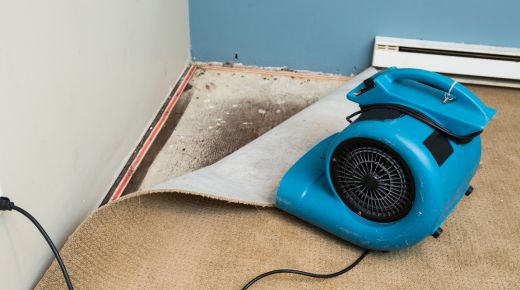
Wall cavities, insulation, underpadding and subflooring receive limited airflow. Even when the visible surface feels dry, moisture may remain underneath.
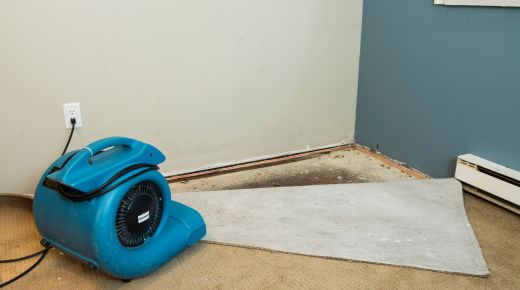
Commercial air movers and dehumidifiers create controlled drying conditions that household fans may not provide. Moisture readings are used to track whether the affected materials are actually drying.
Waiting for hidden moisture to disappear on its own can allow odours, mold and material deterioration to develop.
Does hidden water damage always require demolition?
Not necessarily. Some materials can be dried and restored when the water source is clean, the damage is identified quickly and the materials remain structurally sound.
Removal may be required when materials are heavily saturated, contaminated, deteriorated or unable to dry properly.
The decision depends on the source of the water, how long the materials remained wet and whether contamination or mold is present.
A careful assessment can help avoid both unnecessary demolition and the mistake of leaving damaged materials in place.
Will home insurance cover hidden water damage?
Coverage depends on the cause of the damage and the wording of your policy.
Sudden and accidental leaks may be treated differently from gradual seepage, maintenance issues or long-term deterioration. Sewer backup and overland flooding may require separate coverage.
Report the issue to your insurer promptly and ask what documentation is required. Photographs, moisture readings, plumbing reports and restoration estimates may help support the claim.
A restoration company can document the affected areas and prepare a scope of work, but the insurer determines whether the loss is covered.
How to reduce the risk of hidden leaks
Regular inspections can help you catch small problems before they cause extensive damage.
Check beneath sinks and around toilets for staining, moisture and loose connections. Inspect appliance hoses and water lines for wear, cracking or corrosion.
Maintain your roof, gutters and downspouts and address damaged shingles or flashing promptly. Make sure downspouts direct water away from the foundation.
Test your sump pump regularly and consider installing water sensors near appliances, water heaters, mechanical rooms and basement drains.
It is also important to know where your main water shutoff is located so you can respond quickly during an emergency.
Frequently asked questions
How long can water damage remain hidden?
Water damage can remain concealed for weeks or months, especially behind walls, beneath flooring or inside ceilings. Slow leaks may cause gradual staining, odours or material deterioration before they become obvious.
Can a moisture meter detect water behind drywall?
Moisture meters can help identify elevated moisture levels within or behind certain materials. A professional may use multiple tools and inspection methods to confirm the extent of the problem.
Does a musty smell always mean mold?
Not always, but a persistent musty odour often indicates excess moisture, microbial growth or damp materials. The source should be investigated rather than covered with fragrance.
Can hidden water damage affect air quality?
Damp materials and mold growth may contribute to unpleasant odours and poor indoor conditions. The moisture source and affected materials should be properly addressed.
Should I open the wall myself?
Opening walls without knowing what is behind them can damage plumbing or wiring and may disturb mold or asbestos-containing materials. It is generally safer to have the area assessed first.
Concerned about hidden water damage?
A small stain, musty smell or warped floor can be a sign of a larger moisture problem behind the surface.
Smart Restoration provides water damage assessments, water extraction, structural drying, content restoration and reconstruction for residential and commercial properties.
Our team can help identify affected areas, document the damage and coordinate the restoration process from the initial inspection through completed repairs.
Call 1-833-762-7809 for 24/7 emergency response.