A flooded basement can quickly damage flooring, drywall, insulation, furniture, appliances and stored belongings. Even a small amount of water can spread beneath finished surfaces and remain trapped in areas that are difficult to see.
Basement flooding may happen after heavy rain, a sump pump failure, a sewer backup, a burst pipe or water entering through the foundation. The correct response depends on where the water came from, how much entered the property and whether electrical or contamination risks are present.
This guide explains the most common causes of basement flooding, what to do immediately, how professional cleanup works and how homeowners can reduce the risk of another incident.
Is a flooded basement dangerous?
A flooded basement can create several safety concerns. Water may come into contact with electrical outlets, extension cords, appliances, furnaces or other mechanical equipment. Wet drywall and ceilings may become unstable and contaminated water may contain bacteria, sewage or other harmful material.
Do not enter the basement if standing water is close to electrical equipment, if the water may contain sewage or if the structure appears unsafe. Avoid touching the electrical panel while standing in water.
When the source is unclear or the area looks hazardous, remain outside the affected space and contact a qualified professional.
What causes basement flooding?
Basements are vulnerable because they sit below ground level and contain many of a home’s plumbing and drainage systems.
Heavy rain and surface water
During intense rainfall, water may collect around the foundation faster than it can drain away. If the grading slopes toward the house or the gutters and downspouts are not directing water far enough away, moisture may enter through cracks, windows or other openings.
Water can also enter through basement window wells when drains are blocked or covers are missing.
Sump pump failure
A sump pump is designed to remove water that collects around or beneath the foundation. If the pump loses power, becomes blocked or is unable to keep up with the amount of water entering the pit, the basement may flood.
A failed float switch, frozen discharge line or lack of routine maintenance can also prevent the system from operating properly.
Sewer backup
A sewer backup may force contaminated water through floor drains, toilets, sinks or other plumbing fixtures. This is one of the more serious types of basement flooding because the water may contain sewage, bacteria and other contaminants.
Sewer water should not be handled like a clean plumbing leak. Professional removal, disposal and sanitization are usually required.
Foundation cracks and seepage
Small cracks in foundation walls or floors can allow water to enter during heavy rainfall or periods of high groundwater.
The visible leak may appear minor, but moisture can spread behind finished walls, insulation and flooring. Repeated seepage may also create musty odours and conditions that support mold growth.
Burst or leaking pipes
Basements often contain water supply lines, drains, water heaters and plumbing connections. A burst pipe or failed fitting can release a large amount of water in a short period of time.
Freezing temperatures, corrosion, pressure changes and ageing plumbing can all contribute to pipe failures.
Appliance and water heater leaks
Washing machines, utility sinks, water heaters and water softeners can leak or fail unexpectedly.
A loose connection or damaged hose may release water gradually, while a ruptured water heater tank can cause extensive flooding very quickly.
Drainage problems
Blocked floor drains, clogged perimeter drainage systems and damaged sewer lines can all contribute to basement water problems.
In some cases, water may enter from more than one source at the same time, especially during severe storms.
What should you do immediately after a basement flood?
The first priority is safety. Do not enter the water until electrical and contamination risks have been considered.
If it is safe to access the area, try to identify and stop the source. This may involve turning off the main water supply, shutting off an appliance valve or contacting a plumber.
Take photographs and videos of the basement before moving damaged items, provided doing so does not place you at risk. Capture the water level, affected walls, flooring, furniture, appliances and stored belongings.
Contact a restoration company as soon as possible. Water can move beneath flooring and behind walls even after the visible surface water has been removed.
You should also notify your insurance provider and ask what documentation is required. Coverage depends on the cause of the flood and the terms of the policy.
Can you clean up a flooded basement yourself?
A minor clean-water spill may sometimes be manageable when the affected area is small, there are no electrical hazards and the water has not been present for long.
Larger floods, hidden moisture and contaminated water are more difficult to handle safely.
Professional help is especially important when:
- Sewage or drain water is present
- The basement contains significant standing water
- Drywall, insulation or flooring is saturated
- Electrical equipment may have been affected
- Mold is visible or there is a strong musty odour
- Water has remained for an extended period
- The flood affected several rooms or levels
Removing visible water is only the first step. Materials may continue holding moisture after the floor appears dry.
Why the source of the water matters
Not all floodwater presents the same level of contamination.
Water from a clean supply line may initially be relatively clean. However, it can pick up dirt and contaminants as it moves across flooring and through building materials.
Water from appliances, groundwater or roof runoff may contain additional contaminants.
Sewage backups and overland floodwater should be treated as highly contaminated. Porous materials exposed to this type of water may need to be removed rather than cleaned and reused.
The water source affects which materials can be restored, what protective equipment is required and how the space should be cleaned.
How professional basement flood cleanup works
The process begins with an inspection of the basement and the apparent source of the water. The restoration team evaluates safety concerns and determines which areas and materials have been affected.
Water extraction
Commercial extraction equipment is used to remove standing water. Fast removal helps reduce the time that flooring, walls and belongings remain saturated.
Moisture inspection
Moisture meters and other inspection tools help identify water beneath flooring, inside walls and behind finished surfaces.
The visible water line may not show the full extent of the damage.
Removal of damaged materials
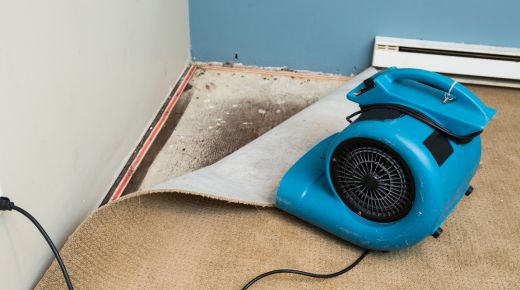
Wet carpet underpadding, insulation, baseboards or sections of drywall may need to be removed when they cannot be dried safely.
The amount of removal depends on the water source, contamination level and condition of the materials.
Structural drying
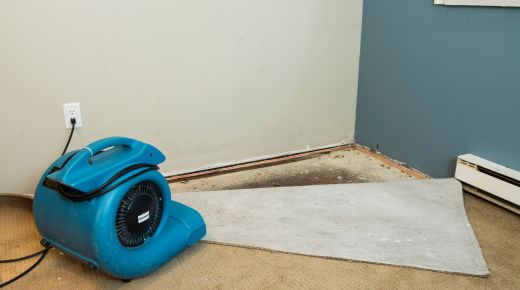
Commercial air movers and dehumidifiers are positioned to dry the basement under controlled conditions.
Equipment placement is based on the room size, materials affected and moisture readings. The drying process is monitored and adjusted as conditions change.
Cleaning and sanitization
Affected surfaces are cleaned according to the type of water involved. Additional sanitization and disposal procedures may be required after sewage or contaminated flooding.
Content restoration
Furniture, clothing, documents and other belongings are assessed to determine whether they can be cleaned, dried or restored.
Items that can be saved may be packed, documented and moved to a controlled area for treatment.
Reconstruction
Once the basement is dry and safe, damaged drywall, flooring, insulation, trim and finishes can be repaired or replaced.
A full restoration may include both emergency mitigation and the final rebuilding of the affected space.
How long does it take to dry a flooded basement?
Drying time depends on the amount of water, the materials involved, the indoor conditions and how quickly the cleanup begins.
A small clean-water incident may dry within several days. Larger floods may require more time, especially when water has entered wall cavities, insulation or subflooring.
Projects involving sewage, mold or reconstruction can take considerably longer.
The basement should not be considered dry based only on appearance. Moisture readings provide a more reliable way to determine whether affected materials have returned to acceptable levels.
What materials are commonly damaged?
Finished basements contain many materials that can absorb water.
Drywall may soften, stain or lose strength. Insulation can hold moisture inside wall cavities. Carpet and underpadding can remain wet beneath the visible surface.
Laminate flooring may swell, while hardwood may cup or buckle. Baseboards, cabinets and doors can also expand or separate after absorbing water.
Concrete itself may appear dry while moisture remains in adjacent materials or beneath installed flooring.
Can mold grow after a basement flood?
Basements often have limited ventilation and naturally higher humidity, which can make moisture problems more difficult to control.
Mold may develop on drywall, wood, carpet, furniture and stored materials when they remain damp.
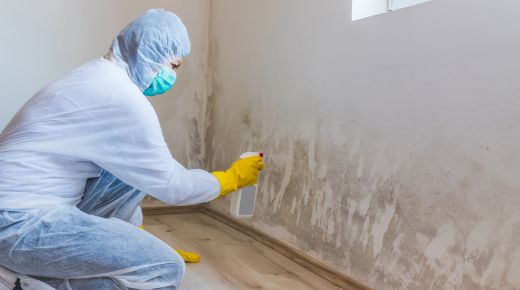
A musty smell, recurring stains or visible growth may indicate that moisture is still present.
Professional drying can reduce the risk, but the original source must also be corrected. Mold may return if water continues entering through a leak, drainage problem or foundation issue.
Should wet drywall be removed?
Wet drywall does not always need to be removed. The decision depends on the source of the water, how saturated the material is and whether it can be dried completely.
Drywall exposed to clean water for a short period may sometimes be dried. Material that is deteriorated, contaminated or affected by mold may require removal.
Insulation behind the drywall also needs to be considered. The outer surface may feel dry while wet insulation remains inside the wall cavity.
What happens to furniture and stored belongings?
Items stored directly on basement floors are especially vulnerable.
Hard, non-porous objects may often be cleaned. Upholstered furniture, cardboard boxes, mattresses and paper products are more difficult to restore after prolonged or contaminated exposure.
Important documents and photographs may sometimes be treated through specialized content restoration methods.
Belongings should be documented before disposal when an insurance claim is involved.
Does insurance cover basement flooding?
Coverage varies based on the cause of the water and the options included in the policy.
Damage from a sudden burst pipe may be treated differently from sewer backup, overland flooding, groundwater seepage or long-term foundation leakage.
Some policies require separate endorsements for sewer backup or overland water.
Ask your insurer about the deductible, exclusions, emergency mitigation coverage, content coverage and temporary accommodation when necessary.
A restoration company can provide photographs, moisture documentation and estimates, but the insurer decides whether the loss is covered.
How can you prevent basement flooding?
No property is completely protected from water damage, but regular maintenance can lower the risk.
Maintain gutters and downspouts
Keep gutters clear so rainwater can flow freely. Downspouts should direct water away from the foundation rather than releasing it beside the house.
Improve grading around the property
The ground should generally slope away from the foundation. Low areas near the home can allow water to collect and place additional pressure on basement walls.
Test the sump pump
Check the sump pump regularly by adding water to the pit and confirming that it activates and drains correctly.
A battery backup system can help keep the pump operating during a power outage.
Check window wells
Remove leaves and debris from window wells and make sure drains remain clear. Proper covers can also help reduce direct water entry.
Repair foundation cracks
Cracks and recurring seepage should be assessed before they become larger problems. The correct repair depends on the location and cause of the water entry.
Inspect plumbing and appliances
Look for corrosion, loose connections and worn hoses around washing machines, water heaters and utility sinks.
Replace damaged components promptly.
Use water alarms
Water sensors can be installed near sump pumps, floor drains, appliances and mechanical equipment. An early alert may help limit the amount of damage.
Store belongings above floor level
Use shelving or waterproof storage containers rather than keeping important items in cardboard boxes directly on the basement floor.
What is the difference between seepage and flooding?
Flooding generally refers to a larger or sudden entry of water, while seepage often describes slow moisture movement through foundation walls or floors.
Seepage may appear as damp spots, white mineral deposits, peeling paint or recurring musty odours.
Although seepage may seem less urgent, repeated moisture can still damage finished materials and contribute to mold growth.
The source should be investigated rather than repeatedly covering stains or repainting the affected area.
Should you finish a basement that has flooded before?
A previous flood does not necessarily mean the basement cannot be finished again. However, the cause of the water entry should be corrected first.
Drainage, foundation, sump pump and plumbing issues should be addressed before installing new drywall or flooring.
Materials designed for below-grade environments may also provide better resistance to future moisture.
A restoration or construction professional can help determine whether the basement is ready for rebuilding.
Frequently asked questions
Should I pump all the water out immediately?
Standing water should be removed promptly, but very deep flooding may require controlled removal when there are concerns about groundwater pressure or structural conditions. A professional can assess the safest approach.
Can I use household fans to dry the basement?
Household fans may help with very minor surface moisture but are often not enough for wet walls, flooring and insulation. They should not be used when sewage or mold contamination is present.
Does a dehumidifier remove water from walls?
A dehumidifier helps remove moisture from the air, but proper drying usually requires a combination of dehumidification, air movement and moisture monitoring.
Should carpet always be removed?
Not always. Carpet affected by clean water may sometimes be cleaned and dried. Carpet and underpadding exposed to sewage or significant contamination may need to be removed.
How do I know whether my sump pump is working?
Pour water into the sump pit and confirm that the float activates the pump. Make sure water is discharged away from the home and that the system does not make unusual sounds.
Can a flooded basement affect the rest of the house?
Yes. Moisture can move into wall cavities and increase indoor humidity. Odours and contaminants may also spread through stairways or heating and cooling systems.
Need help with a flooded basement?
Basement flooding can affect more than the areas you can see. Water may remain beneath flooring, behind drywall and inside insulation after the standing water is gone.
Smart Restoration provides emergency water extraction, structural drying, content restoration and reconstruction for residential and commercial properties.
Our team can assess the damage, document affected areas and help coordinate the restoration process from the first response through completed repairs.
Call 1-833-762-7809 for 24/7 emergency response.