Water damage can happen suddenly and spread much faster than most homeowners expect. A burst pipe, overflowing appliance, roof leak, flooded basement or storm-related intrusion can affect flooring, drywall, insulation, furniture and electrical systems within a short period of time.
The first few hours matter. Acting quickly can help reduce the extent of the damage, protect unaffected areas and make the restoration process easier to manage.
Make sure the property is safe
Before entering the affected area, consider whether there may be electrical, structural or contamination risks. Do not enter standing water if outlets, cords or appliances are nearby, if water is coming through the ceiling or if sewage may be present.
You should also stay out of the area if the ceiling appears swollen, the floor feels unstable or there is a strong chemical or gas odour. Water and electricity can be a dangerous combination, so avoid touching electrical panels, switches or plugged-in equipment while standing in water.
Stop the source of the water
If it is safe to do so, identify and stop the source. This may mean shutting off the main water supply, closing the valve connected to an appliance or contacting a plumber for a burst or damaged pipe.
Stopping the source does not mean the property is dry. Water may already have travelled behind walls, beneath flooring or into insulation. However, controlling the source can help prevent additional water from entering the property.
Contact a restoration company
Professional water damage restoration involves more than removing visible water. A restoration team can inspect the affected areas, identify hidden moisture and determine what can be dried, cleaned or restored.
The process may include water extraction, moisture inspection, removal of damaged materials, structural drying, cleaning, sanitization, content restoration and reconstruction.
Contacting a restoration company early can help limit secondary damage and provide clearer documentation for the insurance process.
Document the damage
Take photographs and videos before moving or removing damaged items, provided it is safe to remain in the area.
Try to capture the apparent source of the water, standing water, damaged walls, ceilings, flooring, baseboards, furniture and belongings. Take both wide images of the entire room and close-up images of specific areas.
Keep receipts and records related to emergency expenses, temporary repairs and contractor visits. This information may be useful when speaking with your insurance provider.
Contact your insurance provider
Notify your insurer as soon as reasonably possible and ask what documentation is required. Coverage depends on the cause of the loss and the terms of your individual policy.
You may want to ask about your deductible, emergency mitigation coverage, adjuster inspections, temporary accommodation and whether damaged belongings are included in the claim.
A restoration company can help document the damage and prepare estimates, but only your insurer can confirm coverage and approve a claim.
Move unaffected belongings when safe
If the area is safe to enter, move dry and undamaged belongings away from the water. Electronics, documents, clothing, rugs and small furniture should be placed in a dry location.
Avoid carrying wet or contaminated items through unaffected areas without proper containment. This can spread moisture, sewage, dirt or mold spores.
Heavy furniture and waterlogged materials can be unsafe to move, so leave them for the restoration team when necessary.
Do not assume the property will dry on its own
A wall or floor may feel dry while moisture remains trapped underneath the surface. Hidden water can remain beneath flooring, behind drywall, inside insulation, under cabinets and around plumbing penetrations.
This trapped moisture can lead to swelling, deterioration, odours and mold growth. Professional moisture meters and drying equipment are often needed to confirm that affected materials are actually dry.
What not to do after water damage
Avoid using a regular household vacuum to remove water. Do not plug in fans, heaters or extension cords in wet areas and do not paint over water stains before the moisture problem has been resolved.
You should also avoid removing materials unnecessarily. Some flooring, drywall, cabinets and belongings may still be restorable. Removing everything immediately can increase repair costs and interfere with insurance documentation.
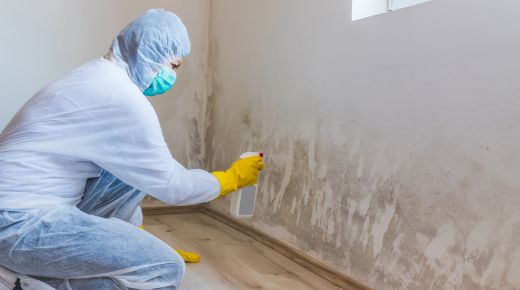
Most importantly, do not wait for visible mold before taking action. Mold can begin developing before it becomes obvious.
Signs of hidden water damage
Water damage is not always easy to see. Common warning signs include bubbling paint, warped flooring, swollen baseboards, soft drywall, ceiling stains, musty odours and unexplained humidity.
Loose tiles, cabinet swelling and unexpected increases in your water bill can also point to a hidden leak.
A small visible stain may represent a much larger problem behind the surface.
How professional restoration works
The process usually begins with an emergency assessment. The restoration team identifies the apparent source, evaluates safety concerns and determines which areas have been affected.
Standing water is then removed, followed by moisture testing. Materials that cannot be safely dried may need to be removed.
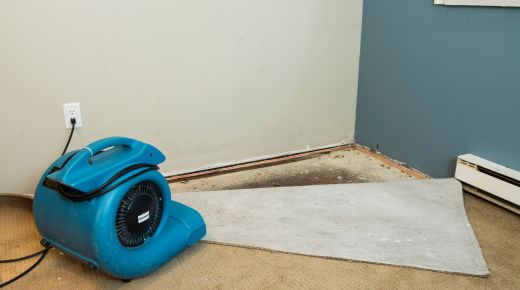
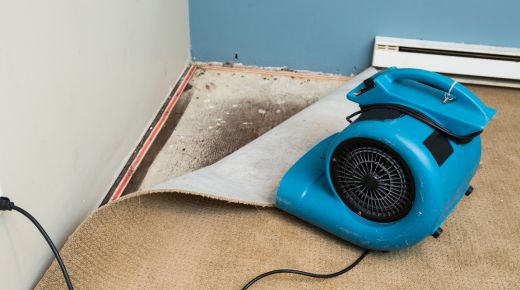
Commercial air movers and dehumidifiers are used to dry the property under controlled conditions. Moisture levels are monitored throughout the process and equipment is adjusted as needed.
Once the property is dry, affected surfaces are cleaned and sanitized. Damaged drywall, flooring, ceilings and finishes can then be repaired or replaced.
How long does water damage restoration take?
The timeline depends on the amount of water, how long it remained in the property, the materials affected and whether contamination is present.
Drying may take several days. Larger projects involving sewage, mold, structural damage or reconstruction can take longer.
A reputable restoration company should explain the stages of the work and provide updates throughout the project.
Can mold develop after water damage?
Yes. Mold can develop when moisture remains trapped in walls, flooring, carpet or insulation.
The risk increases when drying is delayed, indoor humidity remains high or the original source of the moisture is not corrected.
Prompt extraction and professional drying can reduce the risk, but no company should guarantee that mold is impossible. If mold is already present, specialized containment and removal may be required.
Water damage in basements
Basements are especially vulnerable to water damage because of foundation cracks, floor drains, sewer backups, sump pump failures, plumbing leaks and heavy rainfall.
Even after visible water is removed, moisture may remain beneath flooring or behind finished walls.
Avoid entering a flooded basement until electrical and structural safety have been considered.
Will insurance cover water damage?
Coverage depends on the cause of the loss and the wording of your policy. Sudden plumbing failures may be treated differently from gradual leaks, sewer backup, overland flooding or maintenance-related damage.
Ask your insurer to explain the applicable deductible, limits and exclusions.
Your restoration company can provide estimates, photographs and project documentation, but the insurer determines coverage.
How to reduce the risk of future water damage
Regular maintenance can help reduce the likelihood of another incident. Inspect visible plumbing connections, test your sump pump, keep gutters and downspouts clear and repair roof or foundation issues promptly.
It is also helpful to know where your main water shutoff is located and to avoid storing valuable belongings directly on basement floors.
Water sensors near appliances, mechanical rooms and sump pumps can provide an early warning when a leak occurs.
Frequently asked questions
Should I call my insurance company or a restoration company first?
For an active emergency, take reasonable steps to prevent further damage and contact a restoration company promptly. Notify your insurer as soon as possible and follow the reporting requirements in your policy.
Can I stay in my home during restoration?
It depends on the severity and location of the damage. Temporary relocation may be recommended if there are electrical hazards, sewage contamination, mold concerns or major disruption to essential areas.
Does drywall always need to be removed?
No. Some drywall can be dried, while saturated or contaminated sections may require removal. The decision depends on the source of the water and the condition of the material.
Can furniture be restored?
Some furniture can be dried and cleaned. Upholstered items exposed to contaminated water may be more difficult to restore.
Need help after water damage?
Water damage can spread beyond the areas you can see. Smart Restoration provides emergency water extraction, structural drying, content restoration and reconstruction for residential and commercial properties.
Our team can assess the damage, document affected areas and help coordinate the restoration process from the initial response through final repairs.
Call 1-833-762-7809 for 24/7 emergency response.